
What Is a Smart Servo?
A smart servo is a motorized actuator that combines position control with additional electronic functions such as feedback, digital communication, and programmable settings. Unlike many traditional RC servos that receive a PWM control signal and operate independently, smart servos can communicate with a controller to exchange position information and, depending on the model, other operating data.
Smart servos are increasingly used in robot arms, humanoid robots, robotic hands, educational robotics kits, and DIY automation projects. They give developers more control over individual joints and make it easier to monitor the movement of a robotic system.
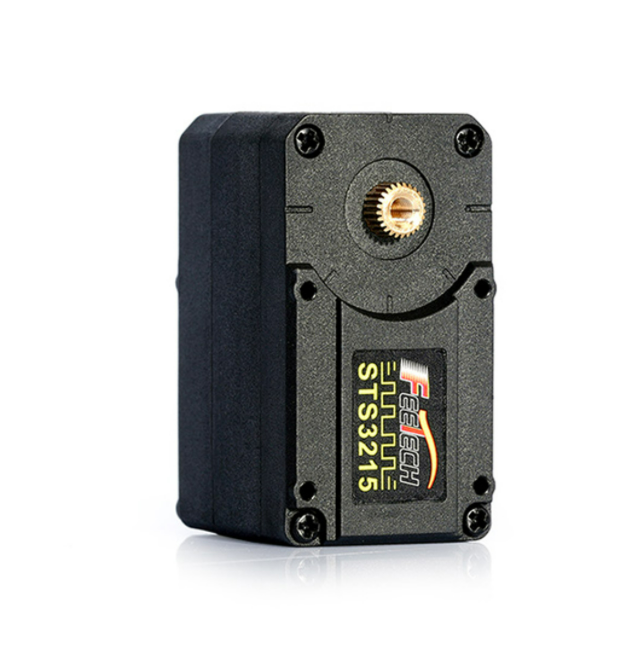
1. What Is a Smart Servo?
A smart servo is an electronically controlled actuator that typically integrates a motor, reduction gears, a position sensor, and an internal control circuit. Many models also support serial communication, allowing an external controller to send commands and receive operating information.
The main difference between a smart servo and a conventional servo is the level of communication and control available to the user.
A traditional RC servo generally receives a PWM signal that specifies a target position. A smart servo may support additional functions, such as:
- Reading the current shaft position
- Configuring a unique servo ID
- Adjusting operating parameters
- Monitoring voltage or temperature
- Reading current or load-related information, when supported
- Controlling multiple servos through a shared communication bus
These functions depend on the servo’s hardware, firmware, and communication protocol. Not every smart servo supports all of them.
For robotics developers, the main advantage is that the actuator can provide more information to the main controller instead of simply receiving a movement command.